What Meditation Really Is
Based on the wisdom of the Tibetan Buddhist tradition, ‘What Meditation Really Is’ offers videos, a series of courses (online and in-person), and retreats.


What Meditation Really Is - in 10 steps
1. What is meditation? And why should we even bother?
The actual practice of meditation is really very simple. Anyone can meditate, almost anywhere and any time! Watch this short introduction explaining what meditation really is and how to practise it.
2. Meditation—getting familiar with your mind
As the Tibetan teacher Mingyur Rinpoche explains, when you meditate, you are giving your mind a job-and gradually, as the mind becomes more and more familiar with its job, a natural and powerful transformation occurs. It's the best way to train our 'crazy monkey mind'!
3. Meditation Posture—a Simple Guide
Our posture is important when we meditate. If our posture is good, then meditation will arise more naturally. Here's a simple guide to the basic posture.
4. The Simplest Method—Watching the Breath
One of the simplest meditation methods is watching the breath. Find out how it's done. https://youtu.be/nJo3GAaUPrg
5. Another Support for Meditation—Focusing on an Object
Another support you can use to settle your mind is to lightly focus your attention on an object. Find out how it’s done.
6. Clarifying What Meditation Is Not
The Tibetan teacher Mingyur Rinpoche says meditation is not about blissing out, or blocking our thoughts and emotions.
7. General Meditation Advice for Beginners
Don't worry about the quality of your meditation, says Mingyur Rinpoche.
8. The Benefits of Meditation
Jon Kabat-Zinn, a pioneer of scientific research on meditation, lists the positive effects that meditation can have on the mind and body.
9. Meditation is Not a Quick Fix!
We need persistence and patience if we want to reap the benefits of meditation, says Khandro Rinpoche.
10. Meditation Explained Simply—a Public Talk with Tsoknyi Rinpoche
Tsoknyi Rinpoche, in this public talk given in Lerab Ling in 2018, gives a complete introduction to meditation and guides a very simple and joyful meditation practice.
'What Meditation Really Is' courses near you

Meditation Retreats
A meditation retreat, for a weekend, week or even longer, is the perfect way to deepen and explore your experience of meditation, share with others, and get advice and guidance from more experienced meditators.
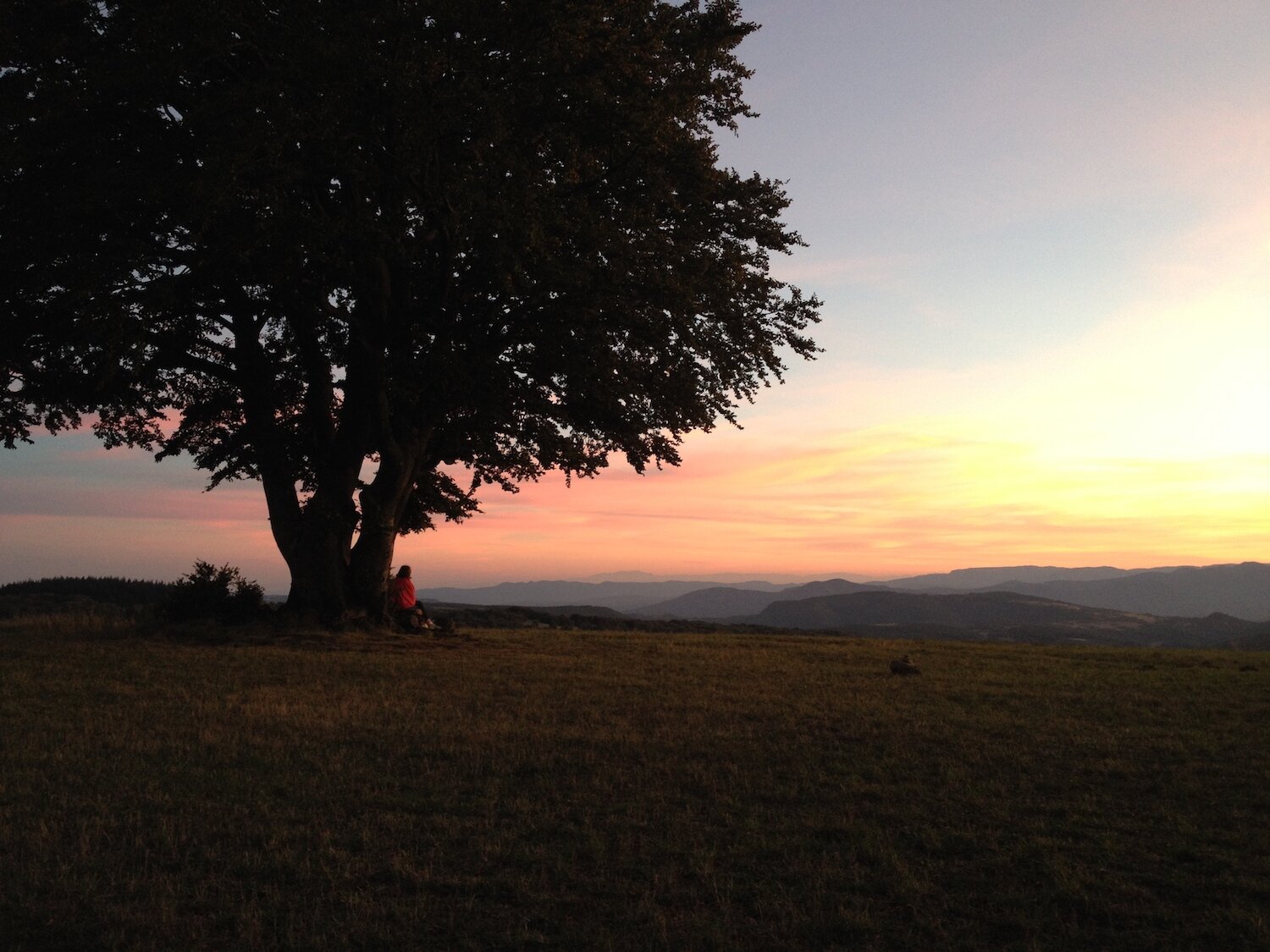
Personal Retreats, Weekends and longer retreats
LIVE and ONLINE
Lerab Ling, France

Personal Retreats, Weekends and longer retreats LIVE and ONLINE
Dzogchen Beara, Ireland

